2048 Pokémon
Play online for free. Meet eleven original Meadow creatures drawn by 2048central.
Loading the board…
The board couldn’t load.
Open the game directlyYour first match
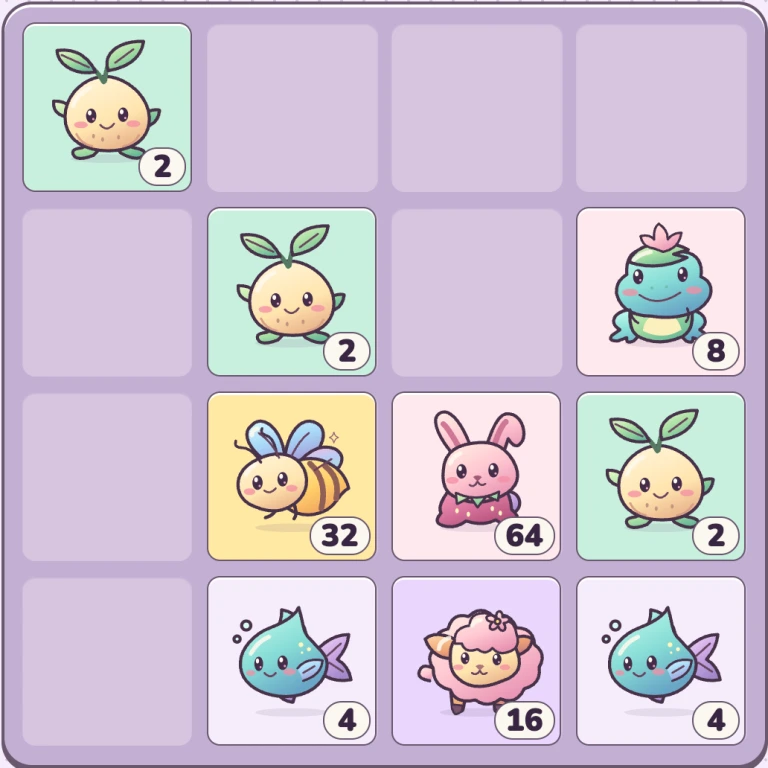
Free 4×4 merge puzzle, no download, works on phones and school Chromebooks. Press Start game to play 2048 Pokemon, Meadow edition. Two Budlets sit side by side in the middle of the second row. Slide left to bring them together at the left edge, or slide right to meet at the right edge. Your first Dewfin appears there, your score rises to 4, and a new creature lands in an empty square. To win, work your way up to two Aurorowls and bring them together to meet Meadowstar, the creature on the 2048 tile.
On a phone, swipe across the board or tap one of the four direction buttons. On a keyboard, use the arrow keys or W, A, S and D. All the creatures slide together, so take a look at the other three rows before making a horizontal move. There’s no timer. If following four rows at once feels tricky, start by predicting where just one pair will end up.
The eleven Meadow creatures in order
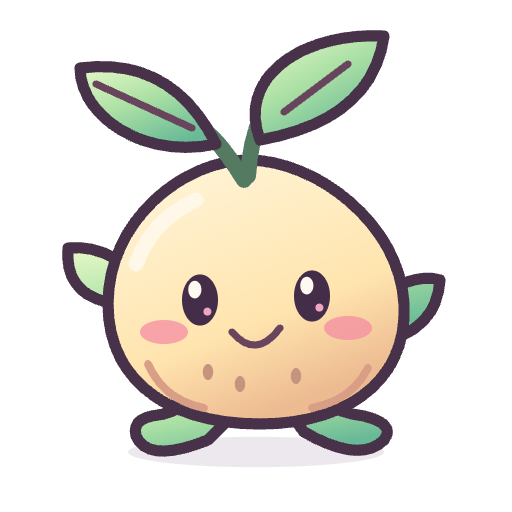
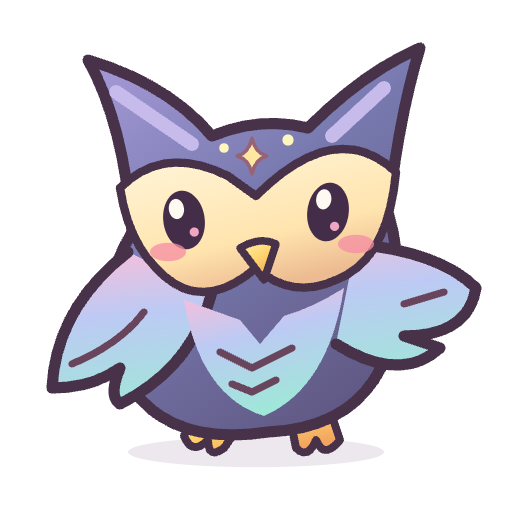
Read down the middle column to see the tile order in this edition of 2048 Pokemon. The number stays in the corner of each square while the picture changes at each stage up to Meadowstar. Every board starts with two Budlets (2). After a slide moves or merges tiles, a creature appears in a random empty square. There’s a 90% chance it’s a Budlet (2) and a 10% chance it’s a Dewfin (4). The highest creature you’ve made appears by name above the board, so you can check your place even after several tiles have moved.
| Stage | Creature and tile value | Made from |
|---|---|---|
| 1 |
 Budlet · 2 |
Starting creature |
| 2 |
 Dewfin · 4 |
2 × Budlet |
| 3 |
 Puddlehop · 8 |
2 × Dewfin |
| 4 |
 Petalamb · 16 |
2 × Puddlehop |
| 5 |
 Honeywing · 32 |
2 × Petalamb |
| 6 |
 Berribun · 64 |
2 × Honeywing |
| 7 |
 Lanternlynx · 128 |
2 × Berribun |
| 8 |
 Cloudray · 256 |
2 × Lanternlynx |
| 9 |
 Bloomtail · 512 |
2 × Cloudray |
| 10 |
 Aurorowl · 1024 |
2 × Bloomtail |
| 11 |
 Meadowstar · 2048 |
2 × Aurorowl |
To use the last column, start with the creature you want. Take Lanternlynx (128). Its row calls for two Berribuns (64). If you already have one Berribun in a corner, look one row up in the table to see how to build its partner: two Honeywings (32) will do it. You can use the same trick later in the run. A Bloomtail (512) puts you one more Bloomtail away from your first Aurorowl (1024).
Is this the same as the Pokemon 2048 you played before?
If you remember matching familiar Pokémon portraits, you’ll recognize the four-by-four board and the way a pair slides into one square. Some older Pokémon 2048 boards use Mewtwo for the winning tile. Here, two Aurorowls (1024 each) merge into Meadowstar, the Meadow edition’s original 2048 tile. You won’t need to remember which Pokémon evolves into which: the little number on each tile tells you which other tile to look for.
For example, your first Dewfin has a 4 in the corner. Another Dewfin will make a Puddlehop with an 8. A Budlet can sit beside that Puddlehop for as long as you like and they’ll stay separate. If you learned to play on picture-only Pokemon tiles, try reading the numbers for a few turns. Soon you’ll recognize a pair of Puddlehops before you’ve even read the 8s.
The pictures change what you see with each merge. They don’t give individual creatures special moves. The same swipe shifts every row or column, and each merge adds the value of the tile you just made to your score. If you’re comparing scores with a friend who plays another Pokémon 2048 version, compare your highest tiles as well. A score above 2048 can come from a long run of smaller merges, even when your best tile is still a Cloudray (256).
Some fan boards use familiar Pokémon artwork, following an evolution line or featuring legendary, mega or shiny forms. In Meadow, the number decides which creature comes next. Two tiles of the same value make the next one up, from Budlet at 2 to Meadowstar at 2048. See the eleven creatures in order to find the pair for the tile you want.
2048 strategy for this board
Meadow follows the same merge rules as classic 2048. Use the numbers on the creature tiles to plan your next move.
Read a row before you slide
Picture a row containing two Budlets (2), a Dewfin (4) and a gap. Slide left and you’ll have two 4s side by side. The new tile has finished merging for this turn. A second slide left turns the two 4s into a Puddlehop (8). Those moves earn 4 points and then 8 from that row alone.
With 8, 8, 8 and a gap on the right, a left slide puts the 16 at the left edge. Slide right and it lands at the right edge. If another 16 is waiting in the row above or below, build its partner at that edge.
Keep a route open for your biggest tile
Suppose a Berribun (64) sits in the bottom-left corner, with a Honeywing (32) immediately to its right. Build a second 32 above that Honeywing. Slide down when the squares between them are clear, then left to merge the two 64s into a Lanternlynx (128).
A bottom row of 64, 32, 16, 8 stays put on a horizontal swipe, so you can line up pairs above it. Once a bottom-row pair merges, check the gap. If it stays open, your biggest tile can drift on the next swipe.
When the board looks full
On a full 2048 Pokemon board, check three things:
- Look for equal neighbors in a row. They can merge on a horizontal slide.
- Look up and down each column for a vertical merge. A diagonal pair needs room to line up first.
- Count how many pairs the slide will join. One merge opens a square that the new tile immediately fills. Two merges leave one square free after it lands.
If two moves are possible, compare the results. Sliding 4, 4, 8, 8 to the left gives you an 8 and a 16 in the first two columns. Check the second column after the new tile lands. A waiting 16 and a clear path give you a 32 on your next move. If that path is blocked, look for a partner for the 8 instead.
Player questions
Is this the Pokémon 2048 with Pokémon artwork?
Fans adapted Gabriele Cirulli’s 2048 with Pokémon artwork and chose different creatures for their tiles. In Filipe Kiss’s version, the final tile is Mewtwo. Here you merge eleven creatures drawn by 2048central, from Budlet to Meadowstar.
Do I need an internet connection to play?
2048central hosts the game code and creature artwork. Open the game while connected and let the board and its artwork finish loading. You can then play the open board if your connection drops. For a fresh visit or a reload, connect again so the page and game can load.
Can I save my board and finish it later?
Keep the game open to return to the same board. Reloading the page, closing it or choosing New game starts you over with two Budlets. Your best score stays in this browser if site storage is available. Clearing this site’s data also clears that record.
Why is my score above 2048 before I’ve found Meadowstar?
Your score adds up the value of every tile you’ve made by merging. Many small merges can put the total over 2048. The number beside the creature’s name above the board tells you your highest tile. Reaching 2048 on a single tile wins the game.
Why didn’t a new tile appear when I pressed an arrow?
A new creature arrives only when something on the board moves or merges. If every tile was already against that edge and no pair joined, the board stays as it was. Try another direction and watch which row or column shifts.
Can I keep playing after I reach Meadowstar?
Yes. Choose Keep playing on the victory screen to carry on with the same board and score. Higher tile values keep Meadowstar’s artwork, so use the numbers to track later merges. Choose New game whenever you want to start again.
Is the Meadow edition the same as the legendary, mega or shiny Pokémon 2048 versions?
This is the Meadow edition. Its eleven creatures are original drawings, and the number on a tile tells you which pair to collect. Two Aurorowls (1024 each) make Meadowstar.
Why are there original creatures on the tiles?
The Meadow edition has its own lineup for you to discover as you solve the puzzle. Budlet through Meadowstar are original 2048central characters. This independent fan-style game has no affiliation with Nintendo or The Pokémon Company.
Is this 2048 endless?
Reaching 2048 wins the round, and Keep playing lets you aim for 4096 and beyond on the same board. Larger tiles still show Meadowstar, so read the number in the corner to tell them apart. The run ends when the board is full and no equal neighbors share an edge.
How hard is it to reach Meadowstar?
The tricky part is building a second Aurorowl (1024) while you still have a clear path to the first. Try keeping your biggest tile in a corner. Before each slide, look at the row you’re moving and the row beside it to see where the next pair can meet.